The Canadian Kitchen: Cookware, Tableware, & Artisanal Knives Made in Canada
A comprehensive culinary guide to domestic manufacturing: PEI’s 5-ply stainless steel factory, artisanal end-grain maple cutting boards, non-toxic stoneware, and heritage cast iron.
Founder & Software Architect
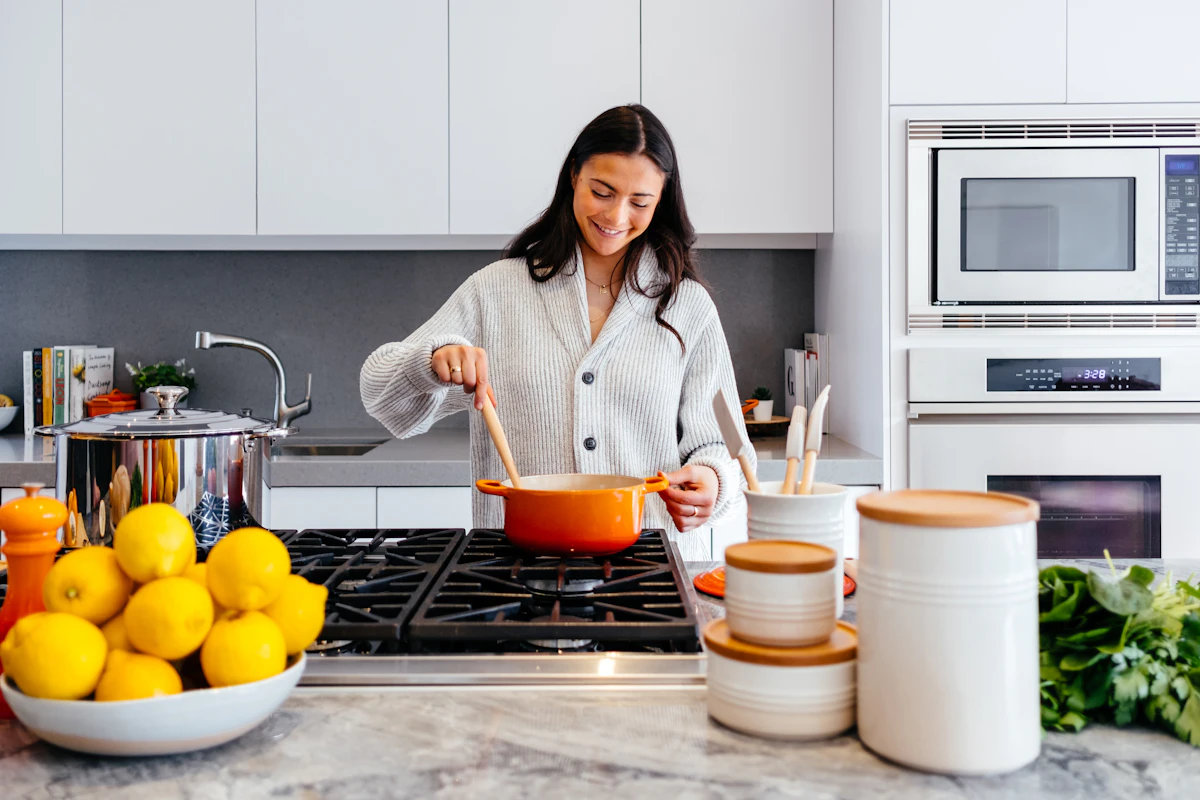
Walk into any big-box kitchen retailer, and you will see shelves dominated by non-stick frying pans coated with synthetic fluoropolymers (PTFE) that scratch within twelve months, and lightweight aluminum stockpots stamped in overseas factories. For home cooks and professional culinary enthusiasts who care about food safety, generational durability, and heat retention, investing in domestic kitchen equipment is one of the most rewarding decisions you can make.
Canada boasts a rich culinary manufacturing history—from Prince Edward Island's world-renowned stainless steel rolling mills to Cape Breton’s master woodturners crafting end-grain butcher blocks that withstand decades of cleaver chops. Here is how to outfit a high-performance Canadian kitchen built to last a lifetime.
The State of Domestic Cookware Manufacturing
Decades ago, North America boasted dozens of domestic cookware foundries. Today, only a tiny handful of high-precision metal stamping and cladding plants remain operational on the continent. In Canada, one single factory holds the torch for mass domestic stainless steel cookware: the historic Charlottetown facility on Prince Edward Island.
Originally established in 1979 under the beloved Paderno banner, the PEI manufacturing facility was acquired by Meyer Canada. While foreign corporate brands outsourced their production to Asia to cut costs, Meyer kept the Charlottetown plant running, employing over 100 skilled Atlantic Canadian workers and rolling heavy-gauge stainless steel using clean hydro and wind-generated grid power.
PEI Stainless Steel: The Science of 5-Ply Cladding
Why do professional chefs revere Meyer’s Canadian-made lines (such as the Meyer Confederation and SuperSteel collections)? The secret lies in thermodynamic metallurgy.
Stainless steel is an exceptional culinary metal because it is inert, non-reactive with acidic foods (tomatoes, wine, citrus), and virtually indestructible. However, pure stainless steel is a poor conductor of thermal energy. If you heat a solid steel pan, it creates severe hot spots directly over the flame.
To solve this, PEI engineers use multi-ply cladded bonding:
- Exterior Layer (400-Series Magnetic Stainless): Engineered specifically for high-efficiency magnetic induction cooktops, gas ranges, and radiant electric surfaces.
- Inner Core (3-Layer Pure Aluminum & Alloy Core): Traps heat instantly and disperses it laterally across the entire bottom and up the sidewalls of the pan within seconds.
- Interior Cooking Surface (18/10 Surgical Grade Stainless): Heavy-gauge, non-porous steel that does not leach metallic ions into food, will never pit or rust, and creates the ideal Maillard reaction for searing meats and building savory pan sauces.
End-Grain Canadian Hardwoods: Maple vs. Larch vs. Walnut
Plastic cutting boards have fallen out of favor as microplastic contamination studies reveal that chopping on polyethylene boards sheds millions of microscopic plastic particles directly into food. Discerning kitchens rely on Canadian hardwood boards.
1. Eastern Canadian Larch (Cape Breton, Nova Scotia)
Crafted by Larch Wood Canada in Margaree, Cape Breton, these cutting boards are assembled using end-grain blocks of Eastern Canadian Larch (Tamarack). End-grain construction means wood fibers stand vertically like the bristles of a brush. When a knife slices down, the blade slides between the wood fibers rather than severing them, allowing the wood to "self-heal" and keeping knives razor-sharp indefinitely.
2. Canadian Sugar Maple (Acer saccharum)
Hard rock maple from Ontario and Quebec forests possesses a Janka hardness rating of 1,450 lbf—the golden sweet spot for culinary prep. Dense enough to resist deep gouges, yet soft enough not to dull high-carbon Japanese or German chef knives. Furthermore, natural capillary action in hard maple draws surface moisture deep inside the wood where natural enzymes kill harmful food bacteria (such as Salmonella and Listeria) within minutes.
Artisanal Tableware: Lead-Free Stoneware & Ceramics
Modern Canadian dining has embraced warm, organic minimalism. Vancouver’s Fable Home led a tableware revolution by designing timeless, organic stoneware ceramics that elevate everyday weekday dinners. Hand-finished with lead-free, non-toxic glazes and fired at extreme temperatures (over 1,200°C), artisanal stoneware is resistant to thermal shock, microwave-safe, and dishwasher-safe.
The Vintage Canadian Cast Iron Legacy: Smart & Findlay
While Lodge dominates American cast iron, Canadian vintage foundries produced what many antique collectors consider the finest cast iron cookware ever made. From the 1880s through the 1960s, Canadian foundries like James Smart Manufacturing (Brockville, Ontario), Findlay Brothers (Carleton Place, Ontario), and McClary Manufacturing (London, Ontario) cast skillets that were mechanically hand-turned on grinding stones to create silky-smooth, mirror-like interior surfaces.
If you encounter a vintage #8 Smart "Diamond" or Findlay cast iron skillet at an Ontario barn sale or Quebec flea market, grab it. A properly seasoned vintage Canadian skillet outperforms modern rough-cast pans and will outlive your grandchildren.
Cookware Materials Performance Comparison Matrix
Understand the culinary strengths and thermal dynamics of each kitchen surface:
| Material | Heat Retention | Acid Food Safety | Lifespan | Primary Culinary Application |
|---|---|---|---|---|
| 5-Ply Stainless (Meyer PEI) | High & Even | 100% Non-Reactive | 50+ Years (Lifetime) | Searing, pan sauces, braising, boiling, all-day everyday |
| Vintage Canadian Cast Iron | Extreme Heat Sinking | Avoid prolonged acid | 100+ Years | Steaks, cornbread, deep-dish baking, campfire cooking |
| Commercial Non-Stick (PTFE) | Low to Moderate | Non-reactive until scratched | 1 – 2 Years | Delicate French omelets, crepes; disposable lifespan |
| High-Fired Stoneware (Fable) | Moderate | 100% Non-Reactive | Decades | Baking, tabletop serving, everyday plating |
Stainless Care: Seasoning, Deglazing, & Bar Keepers Friend
Many home cooks struggle with food sticking to stainless steel pans because they treat steel like Teflon. Master these three simple physical techniques for effortless cooking:
- The Leidenfrost Water Drop Test: Preheat your dry stainless pan over medium heat for 2 minutes. Sprinkle a drop of water onto the surface. If it sizzles and evaporates immediately, the pan is too cold. When the water beads up into a single dancing mercury-like ball that glides effortlessly across the surface, the pan has reached optimal temperature (approx. 195°C–205°C). Add your cooking oil, wait 15 seconds, and add your food—it will release naturally with zero sticking.
- Deglazing the Fond: When searing chicken, salmon, or mushrooms, caramelized browned bits stick to the bottom of the pan. Pour a splash of white wine, apple cider, or chicken broth into the hot pan. The liquid instantly steams and lifts the fond into a rich, restaurant-quality sauce while simultaneously cleaning the pan.
- Bar Keepers Friend for Rainbow Heat Tints: High cooking heat can cause harmless microscopic oxidation layers (rainbow discoloration) or baked-on grease. Sprinkle oxalic acid powder (Bar Keepers Friend) with a few drops of water, gently wipe with a sponge, and rinse. The steel will immediately return to showroom mirror luster.
Frequently Asked Questions
- Are all Meyer cookware products made in Prince Edward Island?
- No. Meyer manufactures their premium stainless lines (such as Meyer Confederation, SuperSteel, and Skyline) in Charlottetown, PEI. However, Meyer also imports budget lines and silicone accessories from offshore factories. Always check for the "Made in Canada" stamp etched directly into the bottom steel base plate.
- Why are end-grain cutting boards more expensive than edge-grain boards?
- End-grain boards require double the labor and precision milling. Wood planks must be cross-cut into dozens of small rectangular blocks, turned 90 degrees so the tree rings face upwards, and meticulously glued with FDA-approved food-safe glue under high hydraulic pressure.
- Can Meyer Canadian stainless pans be used on induction stoves?
- Yes! Meyer PEI cookware is engineered with a high-magnetic 400-series stainless exterior base plate designed specifically for modern induction cooktops as well as gas and electric ranges.
Written by Asif Khan
Founder & Software Architect • CanadianOwn
Asif is the creator and software architect behind CanadianOwn. Passionate about local manufacturing preservation, transparent corporate ownership, and consumer empowerment, he writes deeply researched buying guides to help Canadians make informed domestic purchasing decisions.
Learn more about our mission →