Generational Leather: Full-Grain Craftsmanship, Vegetable Tanning, & Canadian Ateliers
A masterclass in leather goods: Deciphering the "Genuine Leather" marketing myth, vegetable vs. chrome tanning, hand-saddle stitching, and top Canadian heritage workshops.
Founder & Software Architect
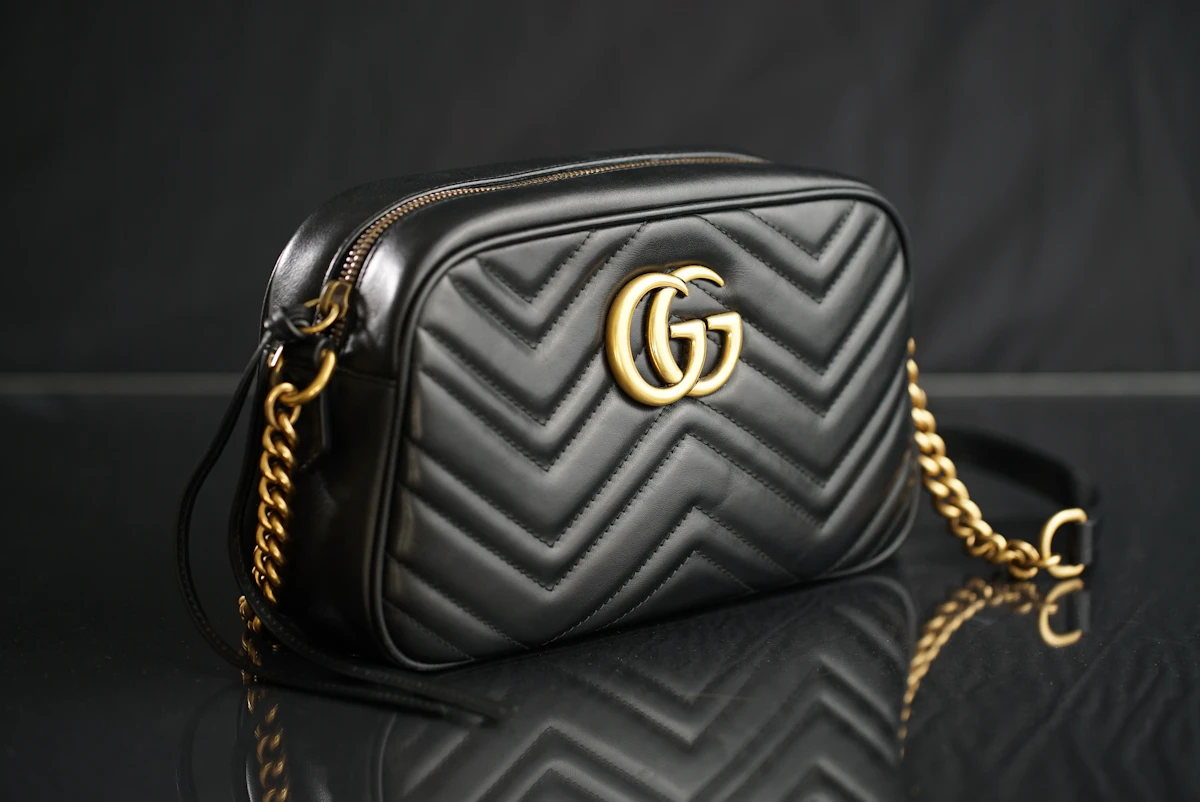
Few consumer goods evoke a visceral emotional connection quite like high-grade full-grain leather. A handcrafted leather belt, travel weekender, or billfold wallet is not an ephemeral seasonal purchase; it is a tactile companion that absorbs the oils of your hands, develops a deep golden-amber patina over decades, and can be passed down as an heirloom to your children.
Yet the modern retail market has become saturated with plastic-coated split leathers and bonded scraps marketed under deceptive slogans. In an era where overseas fast-fashion brands paint leather dust onto vinyl backings and label it "Genuine Leather," conscious Canadian shoppers need to understand the material science, tanning methods, and stitching mechanics that separate disposable accessories from generational treasures.
The Decline of Modern Leather: The "Genuine Leather" Myth
One of the most pervasive marketing misconceptions in retail is the assumption that a stamp reading "Genuine Leather" indicates high quality. In reality, in the commercial tanning trade, "genuine leather" is often the lowest legal tier of real animal hide.
When an animal hide is sliced horizontally into layers, the dense, fibrous top layer is the grain. The weak, fibrous underneath layer is the "split" (or suede). Mass-market manufacturers take this loose bottom split, coat it in polyurethane plastic pigments, emboss a synthetic artificial pebble pattern onto the surface, and stamp it "Genuine Leather." Within eighteen months of use, this plastic coating cracks, delaminates, and peels away at stress points.
The Leather Grading Hierarchy: Full-Grain to Bonded Scrap
Memorize this four-tier quality hierarchy before investing in any leather good:
| Leather Grade | Layer of Hide Used | Durability & Aging | Surface Characteristics |
|---|---|---|---|
| Full-Grain Leather (The Pinnacle) | Uppermost outermost epidermis layer | 30+ Years; develops rich lustrous patina | Natural pore patterns, subtle growth marks, breathable, moisture-resistant |
| Top-Grain Leather | Upper layer lightly buffed/sanded | 10 – 15 Years; moderate patina | Uniform texture; natural imperfections sanded away; coated with finish |
| Split / "Genuine Leather" | Lower corium / flesh split layer | 1 – 3 Years; prone to cracking | Artificial painted plastic finish; zero natural grain; cannot develop patina |
| Bonded Leather | Shredded leather scraps & dust | Under 1 Year; rapidly peels | Leather pulp glued with latex onto fiber backing; essentially synthetic particle board |
Tanning Chemistry: Vegetable Bark Tanning vs. Toxic Chrome Salts
Raw animal hide decays rapidly without chemical stabilization. How a tannery cures the hide dictates its environmental footprint, smell, and longevity:
1. Vegetable Tanning (The Artisanal Gold Standard)
Practiced for thousands of years, vegetable tanning utilizes natural organic tannins extracted from tree barks: chestnut, mimosa, quebracho, and oak. Hides are soaked in rotating wooden tanning vats for up to 60 days. The process requires zero toxic heavy metals. The resulting leather has a firm, substantial hand, a rich earthy aroma, and contains natural oils that oxidize into an exquisite patina over time.
2. Chrome Tanning (Mass-Market Industrial)
Over 85% of world leather is chrome-tanned using toxic chromium sulfate salts. The process is cheap and rapid (taking only 24 hours), yielding soft, supple leather. However, untreated chrome tannery wastewater in developing countries severely contaminates municipal river systems. Furthermore, chrome-tanned leather lacks the natural oils required to patina; it simply wears out rather than aging gracefully.
Construction Integrity: Hand Saddle Stitching vs. Machine Lockstitch
Inspect the seams of a leather wallet or bag. The method of stitching determines whether a seam can survive daily abrasion:
- The Machine Lockstitch: A standard sewing machine uses two threads: a top thread and a bobbin thread that interlock in the middle of the leather hole. If either thread suffers a break from friction against denim pockets, the entire seam immediately unzips and unravels under tension.
- Traditional Hand Saddle Stitching: Master Canadian leathercrafters (such as Nelson, BC's Popov Leather) punch stitching holes using diamond pricking irons and pass one continuous piece of heavy waxed polyester thread (like Ritza 25 "Tiger Thread") back and forth using two blunted harness needles. If a saddle stitch ever snaps, the two threads remain mechanically locked through every other hole, preventing the seam from opening.
- Solid Brass & Stainless Hardware: Premium bags use solid sand-cast brass or stainless steel buckles, D-rings, and rivets. Cheap bags use zinc "pot metal" electroplated with a thin brass sheen, which snaps under heavy winter cold snaps.
The Top Canadian Leather Workshops
1. Brave Leather (Toronto, Ontario)
Founded in 1992 by Scott Irvine on Queen Street West in Toronto, Brave Leather produces world-class vegetable-tanned leather belts, bags, and accessories in their dedicated Toronto workshop. Sourcing certified organic vegetable-tanned hides from Tuscany, Italy, and employing multi-generational Canadian leathercrafters, Brave backs their handcrafted products with a legendary 10-year warranty.
2. Popov Leather (Nelson, British Columbia)
Founded by Ryan Popoff in Nelson, BC, Popov Leather built an international reputation among everyday carry (EDC) enthusiasts. Specializing in USA-tanned Horween Chromexcel full-grain leather, Popov hand-cuts, hand-dyes, and hand-saddle-stitches minimalist cardholders, bifold wallets, and watch straps in their Kootenay mountain atelier.
Case Study: The Roots Toronto Leather Factory
While the vast majority of Roots Canada apparel (hoodies, sweatpants, t-shirts) is today manufactured offshore following private equity restructuring, many Canadians are surprised to learn that Roots has continuously operated a dedicated, highly skilled leather factory on Castlefield Avenue in Toronto since the 1970s.
Here, skilled unionized Canadian artisans hand-cut and sew Roots' premium leather bags—including the iconic Village Bag and Banff Duffle—using rugged, drum-dyed Italian "Tribe" leather. When evaluating Roots merchandise, always verify if the specific item originates from the Toronto leather workshop.
Developing a Patina: Conditioning & Weatherproofing Protocol
Full-grain vegetable-tanned leather requires minimal but thoughtful seasonal maintenance to last 30+ years:
- Avoid Prolonged Soaking: If caught in a Canadian torrential rain or snowstorm, gently wipe surface moisture with a dry cotton cloth and let the leather dry naturally at room temperature. Never place damp leather near a radiator, which causes collagen fibers to dry-rot and shrink.
- Seasonal Conditioning (Twice Annually): Apply a small coin-sized amount of natural Canadian beeswax conditioner or pure neatsfoot oil with a soft cotton rag. Buff in circular motions to nourish fibers and replenish evaporated lipids.
- Edge Burnishing: If raw leather edges become fuzzy over time, rub them briskly with a drop of beeswax and a wooden slicker or canvas cloth. Friction heat melts the wax into the grain, resealing the edge against moisture.
Frequently Asked Questions
- What is leather "patina"?
- Patina is the soft, golden, lustrous sheen that develops on natural vegetable-tanned leather through exposure to sunlight (UV oxidation), skin oils, moisture, and daily friction. It cannot be replicated artificially and serves as a personalized visual autobiography of how you use the good.
- Is vegan leather better for the environment than real leather?
- Most commercial "vegan leather" is simply Polyvinyl Chloride (PVC) or Polyurethane (PU)—petroleum plastics that shed microplastics and degrade into landfills within 2 to 3 years. By contrast, vegetable-tanned full-grain leather is an organic agricultural byproduct that lasts 30+ years and is completely biodegradable at the end of its lifecycle.
- Why are hand-saddle-stitched wallets more expensive?
- A sewing machine can stitch a wallet in 30 seconds. Hand saddle stitching requires an artisan to individually punch 200+ holes with a mallet and manually pull needles and waxed thread through every hole, taking 1 to 2 hours of focused manual labor per wallet.
Written by Asif Khan
Founder & Software Architect • CanadianOwn
Asif is the creator and software architect behind CanadianOwn. Passionate about local manufacturing preservation, transparent corporate ownership, and consumer empowerment, he writes deeply researched buying guides to help Canadians make informed domestic purchasing decisions.
Learn more about our mission →